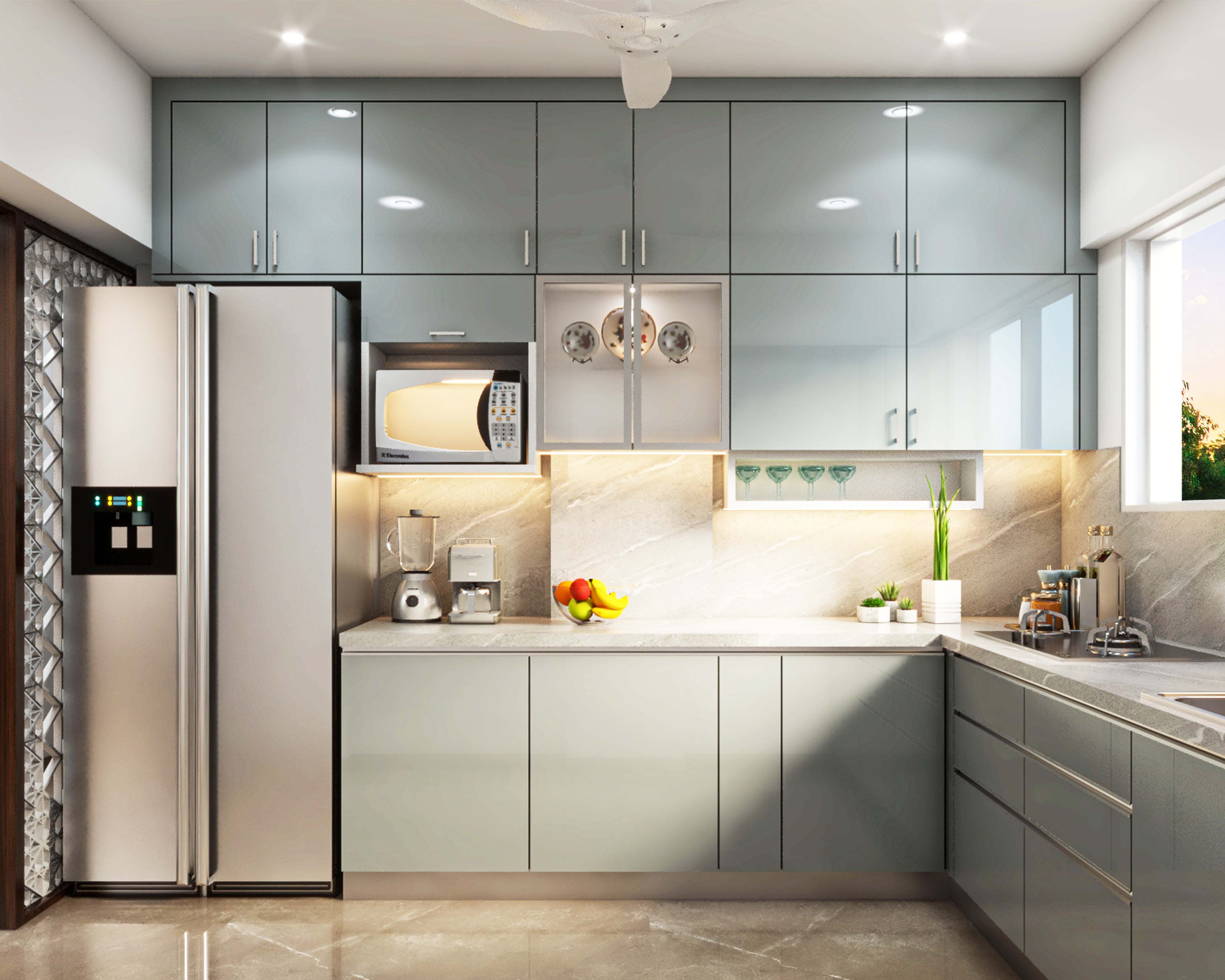
You can complete a full kitchen cabinet declutter in five steps by working through one zone at a time. This method removes every item from your cupboards so you can clean the surfaces and only put back what you truly use. Expect to spend about two to three hours to finish a standard-sized kitchen.
Prepare your space for sorting
Clear off your kitchen counters entirely before you open a single cabinet door. You need a large, flat surface to hold every plate, pot, and gadget as you pull them out. If your counters are small, clear off the dining room table or set up a folding table nearby. Having a dedicated space to group items prevents you from feeling overwhelmed by the mess on the floor.
Gather three large boxes or heavy-duty bags before you begin. Label one for donations, one for trash or recycling, and one for items that belong in another room of the house. Keeping these containers ready ensures you do not have to stop the process once you start moving. This is a core part of professional organizing that keeps the momentum going through the whole afternoon.

The kitchen cabinet declutter five step process
Work in a circle around your kitchen starting from the oven and moving clockwise. This prevents you from skipping small drawers or corner cabinets that often hide unused tools. Take everything out of the first cabinet and place it on your cleared counter space. Do not leave anything inside, even the items you know you want to keep.
- Empty every shelf and drawer completely until you see the back wall of the cabinet.
- Wipe down the interior surfaces with a damp cloth to remove dust and crumbs.
- Sort items into categories like baking, daily dishes, and food storage containers.
- Discard any broken items, mismatched lids, or gadgets you have not touched in a year.
- Place the kept items back into the cabinet in a way that makes sense for your daily cooking.
How to decide what to keep
Be honest about how often you actually cook specific meals. Many kitchens are crowded with specialty appliances like bread makers or pasta rollers that only get used once every few years. If you have four different sizes of frying pans but only ever use two, it is time to let the others go. Freeing up physical space in your cabinets also creates mental space when you start to prep dinner.
Check the condition of your plastic containers and glassware. Toss anything that is stained, warped, or missing a matching lid. If you have twenty coffee mugs but only two people live in the home, pick your favorite six and donate the rest. This part of housekeeping is about making the home function for your current life rather than a version of you that might need thirty plates someday.
Organize by frequency of use
The items you use every single day should live between your hip and eye level. This is the prime real estate of your kitchen. Heavy pots, large mixing bowls, and holiday platters should go on the lowest shelves or the very top of the cabinets. You should never have to move three things out of the way to get to the one item you need for breakfast.
- Store plates and bowls near the dishwasher or sink for easy unloading.
- Keep spices and oils near the stove but away from direct heat sources.
- Group coffee pods, mugs, and sugar in one area to create a drink station.
- Use clear bins for small snacks or baking supplies so you can see what is inside.
- Place kids' cups and plates in a lower drawer where they can reach them safely.
Maintain your tidy cabinets
Once your cabinets are decluttered, keep a small basket in the pantry for items you realize you no longer want. When the basket is full, take it to a local donation center. This prevents the clutter from slowly creeping back into your drawers. Spend five minutes each evening putting things back in their assigned spots so the system stays clean.
Set a date on your calendar to do a quick ten-minute review of your cabinets every three months. This is much easier than doing a deep clean once a year. Check for expired dry goods or any new items that have migrated into the wrong spot. Keeping up with these small habits ensures your kitchen remains a calm and practical space for cooking and gathering.


No comments:
Post a Comment